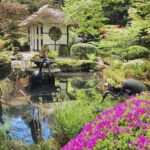
Japanese gardens reflect a deep connection to nature and religion, especially the philosophies of Shinto and Buddhism. Rather than reshaping the landscape, these gardens are designed to harmonize with natural elements, showing respect for the environment. Rocks, water, plants, and open space are carefully arranged to resemble natural scenery such as mountains, rivers, and forests, often in miniature form. This reflects the idea that humans are part of nature, not separate from it.
In Shinto, Japan’s indigenous religion, natural features like stones, trees, and water are believed to contain sacred spirits called kami. Japanese gardens highlight these elements to honor their spiritual importance. A single rock or tree can become a focal point, encouraging quiet reflection. The garden itself becomes a sacred space where people can feel closer to nature and the divine.
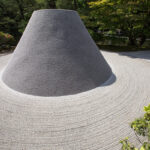
Buddhism, particularly Zen Buddhism, also influences Japanese gardens. Zen gardens use sand, gravel, and rocks to represent water and landscapes. Their simple design supports meditation and mindfulness. Raking gravel into patterns can be a calming practice that symbolizes movement and change.
Seasonality is another key feature. Gardens are designed to change throughout the year, reflecting the Buddhist idea that life is temporary. Blossoms in spring and falling leaves in autumn remind viewers of the beauty and impermanence of nature.
Overall, Japanese gardens are more than decorative spaces; they express spiritual ideas and encourage peace, reflection, and a deeper connection to nature.