
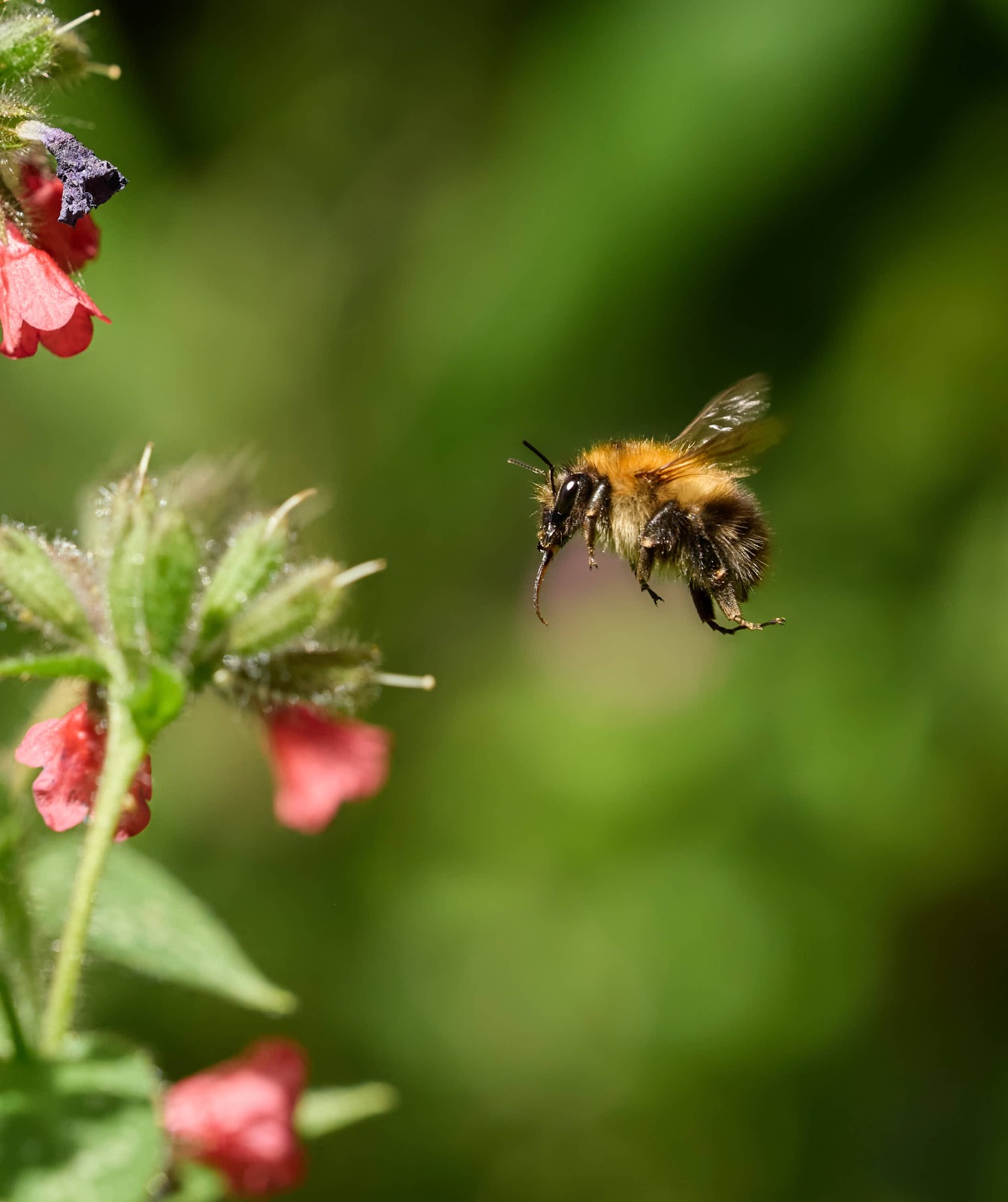
Bees are a gardeners friend and a vital part of our wider ecosystem. A garden truly comes alive when pollinators arrive. The soft hum of bees and flutter of wings signal something deeper at work—an essential natural process that keeps plants, and ecosystems, thriving. Bees play a crucial role in pollination. As they collect nectar, they transfer pollen between flowers, enabling plants to produce fruits and seeds. This process supports not only garden blooms but also many foods we rely on, from apples to tomatoes. Without pollinators, both agriculture and wild plant life would struggle.
It’s easy to think only of honeybees, but gardens host many species, including bumblebees and solitary bees. Each has its own habits and nesting needs, contributing in different ways to plant health and biodiversity. Creating a pollinator-friendly garden is simpler than it sounds. Plant a variety of flowers that bloom across seasons to provide a steady food source. Native plants are especially valuable, as local pollinators are adapted to them. Reducing pesticide use is also key, since many chemicals harm beneficial insects.
You can go further by offering shelter—leaving patches of bare soil, hollow stems, or undisturbed corners where bees can nest. Even a shallow dish of water with stones can help sustain them. The impact of these small actions adds up. A pollinator-friendly space attracts more wildlife, supports healthier plants, and becomes more resilient overall. Whether it’s a large garden or a few pots on a balcony, every space can contribute. By supporting bees and other pollinators, you’re not just growing plants—you’re helping sustain the delicate balance of nature right outside your door. Just remember bees are a gardeners friend, we’re on the same side, so put away the sprays and chemicals!